
Introduction
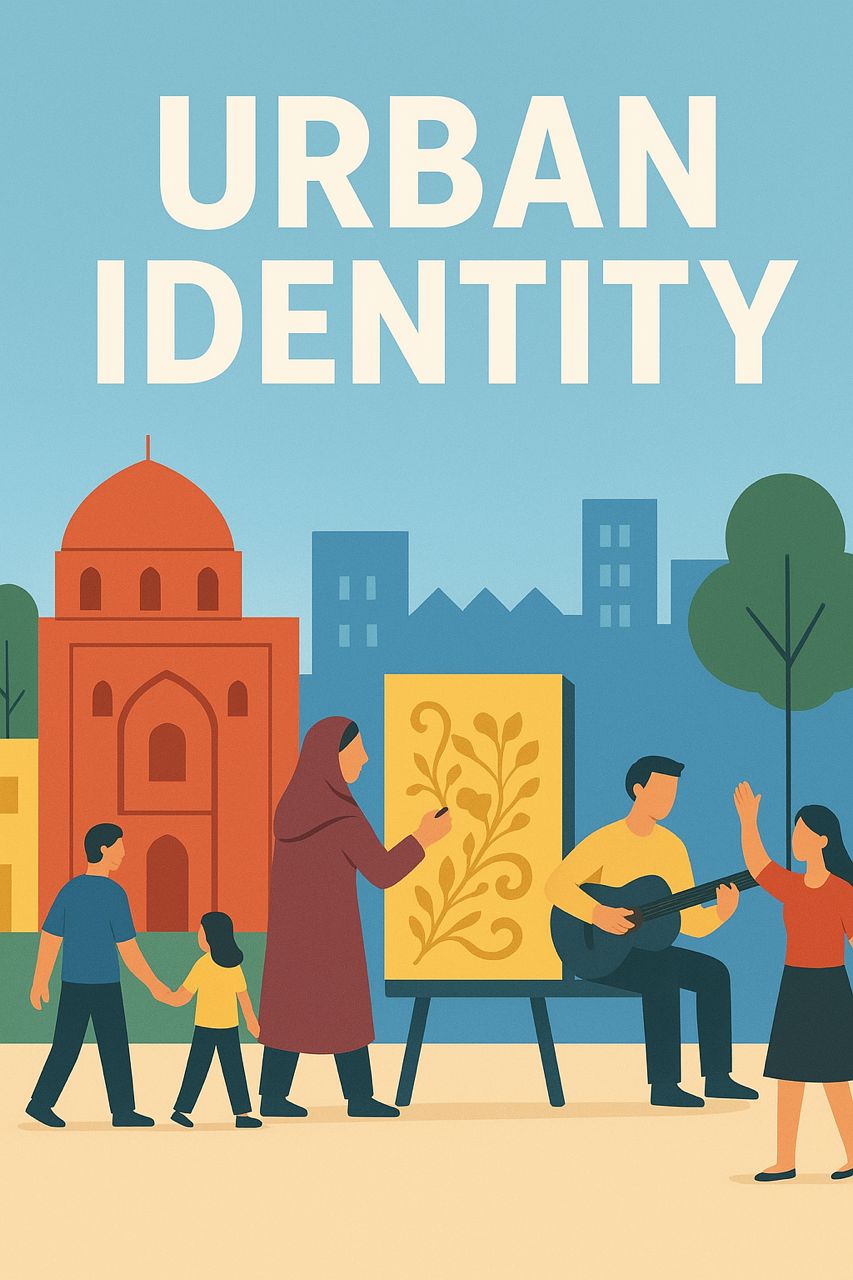
Urban identity is one of the most essential pillars of sustainable urban development. It connects a city’s past, present, and future, creating a unique character that distinguishes it from other places. Without a strong sense of identity, cities become uniform, impersonal, and lacking emotional and cultural depth. Preserving historical neighborhoods, promoting local culture and arts, and developing a sense of belonging among citizens are three core components in shaping and sustaining urban identity.
1. Preserving and Revitalizing Historical Urban Fabrics
Historical neighborhoods are not merely old structures; they are the living memory of the city and a major cultural asset. Many leading cities around the world have revitalized their historical districts to enhance quality of life, boost cultural tourism, and stimulate local economic development.
The Importance of Revitalizing Historical Areas
•Strengthening the long-term cultural identity of the city
•Enhancing cultural and economic tourism
•Improving the quality of public spaces
•Safeguarding valuable architectural and cultural heritage
Practical Strategies
•Adaptive reuse of historic buildings (e.g., cafés, galleries, cultural centers)
•Enhancing pedestrian access and public spaces in historic districts
•Involving local communities in the revitalization process
•Ensuring preservation of authenticity through heritage-sensitive restoration
2. Promoting Local Culture and Indigenous Arts
Local culture represents the living soul of a city. Traditional arts, customs, crafts, language, and the lifestyle of residents all play vital roles in forming the cultural identity of urban areas.
The Role of Local Culture in Urban Identity
•Preserving cultural diversity
•Attracting domestic and international visitors
•Creating jobs in creative and cultural industries
•Strengthening youth engagement with their cultural roots
Ways to Promote Local Culture
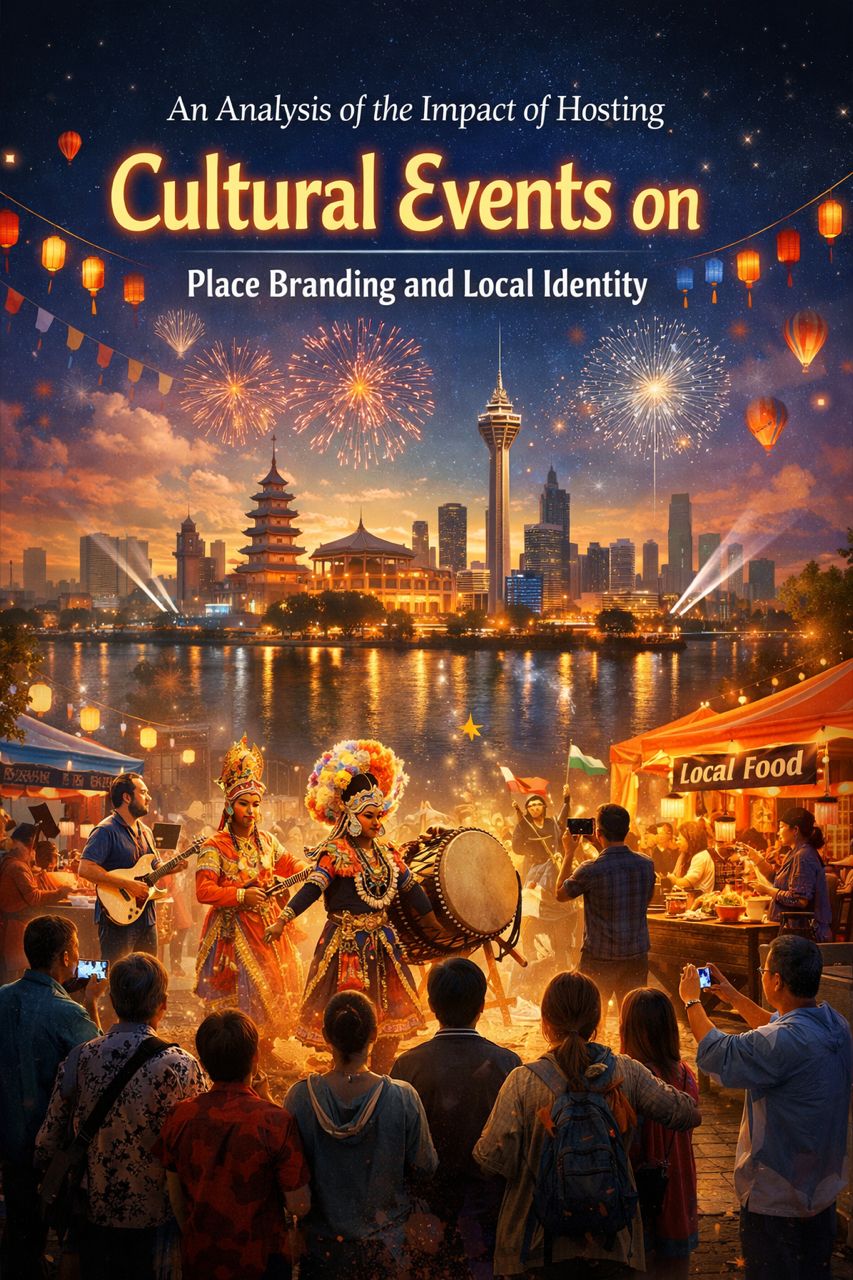
•Organizing urban festivals, handicraft exhibitions, and public art events
•Supporting local artists and creating dedicated cultural workspaces
•Integrating local art into public spaces (murals, sculptures, urban furniture)
•Establishing cultural centers that teach traditional arts and crafts
3. Strengthening the Sense of Belonging Among Citizens
A strong sense of belonging means that residents identify with their city, feel responsible for it, and actively participate in its development. Cities that foster civic attachment experience higher levels of social cohesion, safety, and citizen participation.
How to Build a Sense of Belonging
•Designing accessible, safe, and high-quality public spaces
•Encouraging citizen participation in urban planning processes
•Supporting community-based activities and neighborhood programs
•Respecting cultural identity within neighborhoods
•Providing inclusive cultural and recreational facilities
Role of Local Government
•Implementing people-centered urban development strategies
•Ensuring transparency in urban policies and planning
•Offering participatory platforms for public input
•Preserving symbolic places that hold emotional value for residents
Conclusion
Urban identity is the life and soul of a city. It shapes the collective memory, strengthens cultural continuity, and enhances the overall quality of urban life. Preserving historical heritage, promoting local culture and arts, and nurturing a sense of belonging are fundamental steps toward building cities that are vibrant, sustainable, and deeply connected to their people.
Creating a strong urban identity is a shared responsibility between city managers, cultural institutions, experts, and citizens. A city thrives when its people see themselves as part of its story.